By Debasray Saha
The new coronavirus: What we do — and don’t — know
Approx 300 peoples are died by corona virus. This virus enters in chinese peoples by in taking sea food. They were mostly prefer sea foods instead of other non vegs. This virus enters in human body and just damaging the respiratory organs or it blocks the respiratory pathway that's why the death rate will increase.
A 44-year-old man in the Philippines has died of the corona virus, health
officials said on Sunday, making him the first known death outside
China. The man, a resident of Wuhan, China, the epicenter of the virus,
died on Saturday after developing what officials called “severe
pneumonia.”
Countries and territories that have confirmed cases: Thailand, Japan,
Hong Kong, Singapore, Taiwan, Australia, Malaysia, Macau, Russia,
France, the United States, South Korea, Germany, the United Arab
Emirates, Canada, Britain, Vietnam, Italy, India, the Philippines,
Nepal, Cambodia, Sir Lanka, Finland, Sweden.
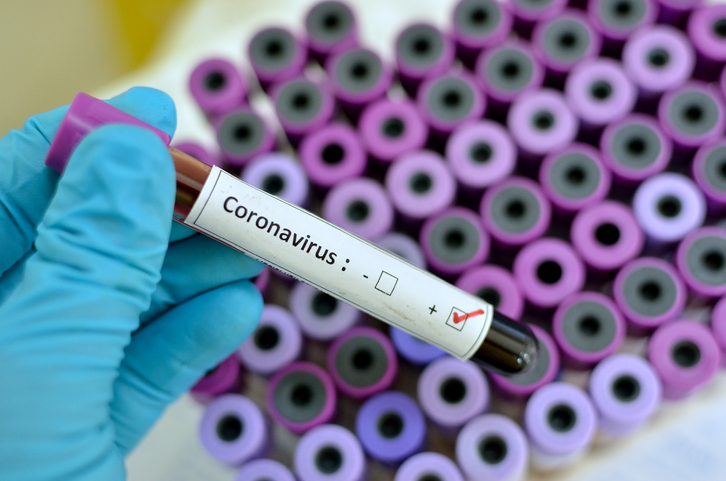 Actually this virus were introduced in 1960s and that time it was discovered in chickens that is infectious bronchitis virus and two viruses from the nasal cavities of human patients with the common cold which named as human corona virus 229E and human corona virus OC43. After that many viruses of same family were introduced in different years just like :SARS-CoV in 2003, HCoV NL63 in 2004, HKU1 in 2005, MERS-CoV in 2012, and 2019-nCoV in 2019.
The last one which introduced in 2019 which named as nCoV ha complex structure and our respected scientists are facing problems for making drugs for the nCoV.
As we know first time corona virus is introduced in chickens and humans so much as possible try to avoid the beef, chicken, egg, etc and also avoid the edibles which are preserved more then 48 hrs. Because these are very good sources of this virus.
The bottom line
 |
| Render of 2019 nCoV virion |
Given the current spread of this virus and the pace and complexity of
international travel, the number of cases and deaths will likely to
continue to climb. We should not panic, even though we are dealing with a
serious and novel pathogen. Public health teams are assembling. Lessons
learned from other serious viruses, such as SARS and MERS, will help. As more information becomes available, public health organizations like the Centers for Disease Control (CDC) in the US and the World Health Organization (WHO) will be sharing key information and strategies worldwide.